
Looking Up Benicia Neighbors Around an Address
A block lookup starts with the subject address and asks what each source can actually show about the surrounding parcels. The map can establish adjacency. The Assessor can connect a parcel to assessment and ownership research. A permit can connect an address to work and a public applicant. A historic source can place an earlier household or structure. None of these records is a guaranteed list of the people next door.
| Source | What it shows about a block | Access |
|---|---|---|
| Parcel map and ReGIS | Subject parcel, adjacent APNs, boundaries, and map context | Public map applications |
| Solano property search | Address, APN, assessment, and property characteristics | Online lead; Assessor counter for ownership |
| Benicia permits | Project address, work, dates, and public application parties | ViewPoint; scheduled viewing |
| Historic surveys and Sanborn maps | Period structures, address context, and associated history | City, library, Historical Society, or LOC links |
| Qualified voter file | Statutory-purpose residence and precinct analysis | Request under Elections Code section 2194 |
| Community and business directories | Public-facing organizations and contacts | Public directory pages |
The block view is strongest when a map APN, a dated record, and a source-specific relationship agree. It is weaker when a name is copied from one database without a date or place.
Map Benicia Neighbors Around One Address
The defensible way to find nearby parcels is map-based, not person-based. Open the Solano parcel map or ReGIS, locate the subject APN, pan or click the parcels immediately beside and across the street, and record each APN. Run the property query for each parcel. If the public result suppresses the current owner name, take the APNs to the Assessor counter rather than guessing from a mailing label.
- Confirm the subject address and APN in the Solano property search.
- Walk outward one parcel at a time and note the adjacent APNs.
- Separate situs, mailing, and legal-description clues for each parcel.
- Use permits, historic surveys, or dated directories only for the question each record can answer.
- Stop when the source no longer supports a public, lawful conclusion about the block.
ReGIS's exact identify, measure, buffer, selection, and layer controls were not verified in the text inspection, so the map should be used for the visible parcel relationship rather than an assumed tool feature. The Benicia street directory workflow handles a full named-street chain; a neighbor search stays with the immediate block.
Separate Benicia Neighbors: Owners from Occupants
An owner record and an occupant record answer different questions. The Assessor property search can identify a parcel and its characteristics, while current ownership research may require the Fairfield counter. A recorded deed names grantors and grantees. Neither one is a household census. Mailing information may point away from the situs, and a renter or other household member may not appear in any public parcel record.
Commercial neighbor tools can combine old property, directory, and public web data, but their matching logic and update timing are not the custodian's guarantee. Official sources are slower because each one serves a defined purpose, yet they give a clearer correction path. For a block question, record the APN, date, source, and relationship instead of copying a broad name list.
Nearby owners who hold adjacent parcels may still be absent from the address where they receive mail. The parcel relationship is worth recording, but it should not be rewritten as a current occupant match.
A useful comparison is official roll versus compiled lead. The official layer tells you who keeps the record, when it was made, and how to correct it. A compiled result may help suggest a spelling or former address, but it should be checked against the property card, deed image, permit file, or dated historical source before it is repeated.
| Layer | Useful conclusion | Do not infer |
|---|---|---|
| Parcel and assessment | Land identity and property relationship | Every person who occupies the parcel |
| Deed index | Party to a recorded instrument | Current occupant or household size |
| Historical source | Person or structure at a dated point | Present-day neighbor status |
| Community directory | Public organization or business contact | Private membership or home roster |
Benicia Neighbors and Permit Histories
Benicia ViewPoint lets an address search reach permit history and city project categories. Building, code enforcement, planning, public works, and fire records can show dates, work descriptions, and public application parties. Compare permits across adjacent APNs to understand a block's physical change, not to build a list of the people who live there.
The Permit Services Center is fully virtual for paper applications. Technical help, payment, or document viewing is handled by appointment, generally 9 a.m. to 3:30 p.m.; walk-ins are not accepted and plans are submitted electronically. Building Safety lists buildingsafety@ci.benicia.ca.us and (707) 746-4230. A CPRA request can ask the City Clerk for an existing permit, planning, or code-case record when the portal does not expose it.
Permit comparisons can help Benicia neighbors understand a block's physical change while keeping the record tied to work at an address.
Benicia Permit History Search is the address-based city route. A project party is a record relationship, not proof of residence.
Older Benicia Neighbors in Sanborn and Directories
Sanborn maps and historic surveys let a block lookup move backward without pretending that the old map is a people list. Benicia editions from February 1886, January 1891, June 1899, and August 1913 show changing survey coverage. The 1886 sheet centers on First Street, the 1891 sheet adds Arsenal and East Fourth and I Street areas, and the 1899 sheet reaches along I and J streets toward West Eighth.
A directory issue or newspaper can add a dated name, subscriber, move, or death notice. The 1928 telephone directory's trailing letter denotes a party line, so one number cannot be assumed to identify one household. Historic sources should be paired with a deed legal description or survey when a street number changes.
Note: A block's historical footprint is not a current neighbor list, even when the same street name survives.
Benicia Voter Data: Not a Neighbor Browser
California My Voter Status is an authenticated self-check using first name, last name, date of birth, and sometimes the last four digits of a driver license or state ID. The full voter file is a separate request. Elections Code section 2194 and 2 CCR sections 19001-19013 limit release to election, scholarly, journalistic, political, or governmental purposes. No casual block search is provided.
Approved voter data can include residence and mailing addresses, precinct, district, registration details, contact information, party preference, and participation history, but not ballot choices. Protected voters, including Safe at Home participants, are withheld. California Government Code section 7924.000 also protects specified voter authentication and confidentiality fields.
California public-records privacy rules show why a voter file cannot be repurposed as a neighbor browser.
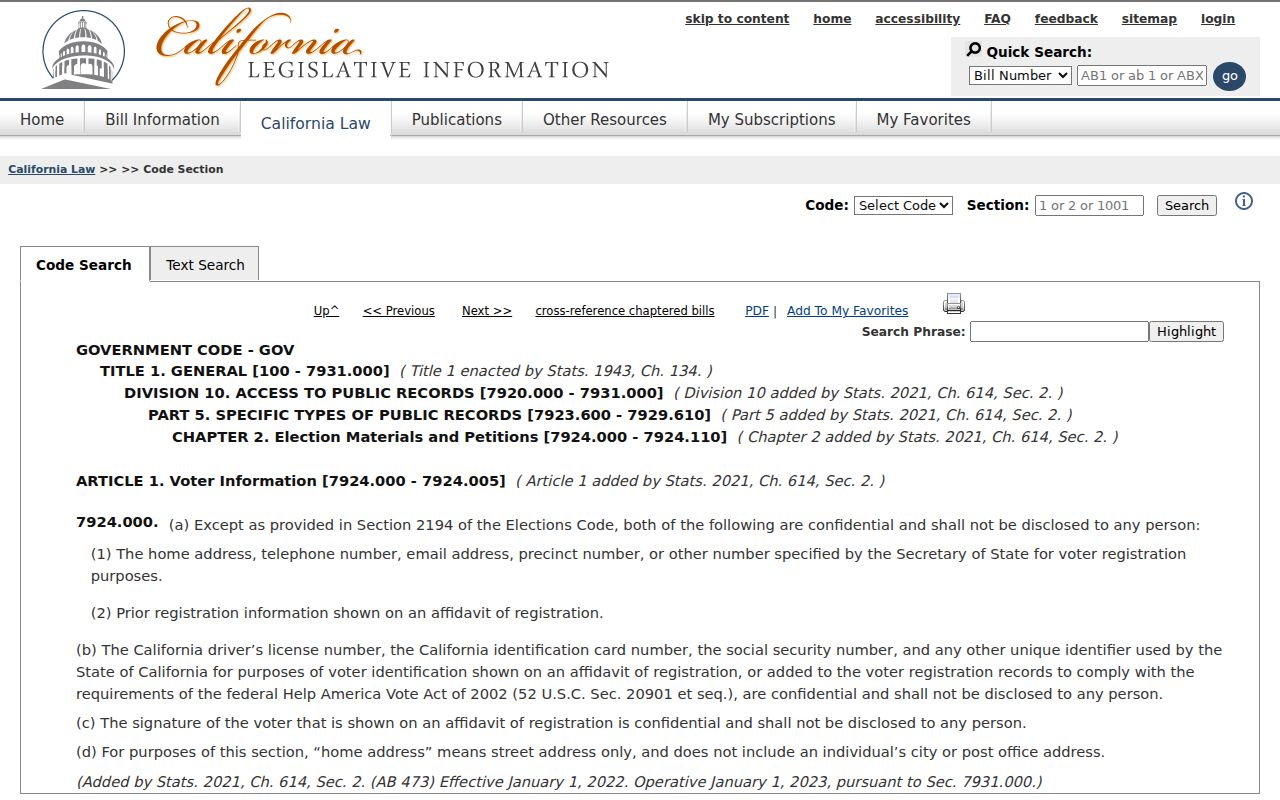
The privacy-law capture belongs to the block-level access boundary, not to a name list.
California consumer privacy guidance addresses commercial data rights, which differ from a government voter record.
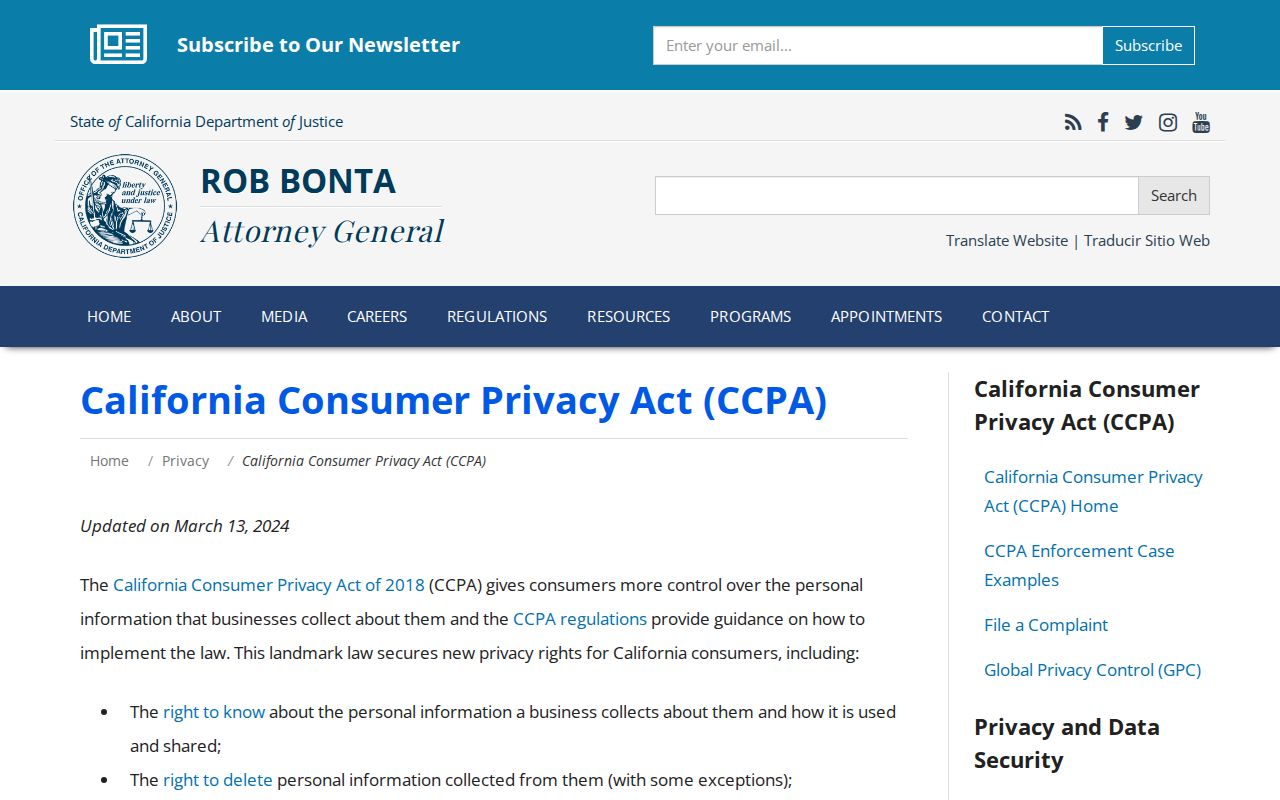
Broker deletion rights do not erase a deed, docket, or voter record held under a public-records duty.
Benicia Groups Publish Contacts, Not Household Rosters
The Benicia Chamber directory supports keyword, category, ZIP, radius, and alphabetical browsing and listed 358 results when inspected. Benicia Main Street lists downtown business names, street addresses, web and telephone contacts, and categories. These directories are useful for public-facing organizations and block activity, but they do not establish private membership or household rosters.
City planning material names community stakeholders such as the Benicia Historical Society, Industrial Park Association, Carquinez Village, Rancho Benicia, yacht clubs, and sports clubs. Those references show civic networks, not authorization to obtain a membership list. Neighbors looking for a local contact should use a group's published channel rather than infer membership from a parcel record.
| Benicia Chamber | Public business directory with keyword, category, ZIP, radius, and alphabetical browsing. |
|---|---|
| Benicia Main Street | Downtown business name, street, web, telephone, and category information. |
| Historical Society and civic groups | Public organizational contacts and events; no official household umbrella directory was located. |
Privacy Limits on a Benicia Neighbor Lookup
Neighbors research should stay within lawful personal, family, civic, and safety uses. California's CCPA rights apply to covered commercial data, while Safe at Home provides substitute addresses and confidential voter registration for eligible participants. The California DROP system handles registered data brokers through one request; it does not remove source records such as deeds or court files.
Identity theft and fraud risks also matter. A public address clue can be copied into a scam, an obituary approach, or an unwanted contact attempt. Verify a report through the agency's direct channel, preserve the record source, and use the California Attorney General or FTC reporting routes when a fraud issue needs a formal report. Benicia neighbors can protect one another by sharing the official report route, not a copied name list.
California identity-theft guidance supplies a safety response for a neighbor-related data concern.
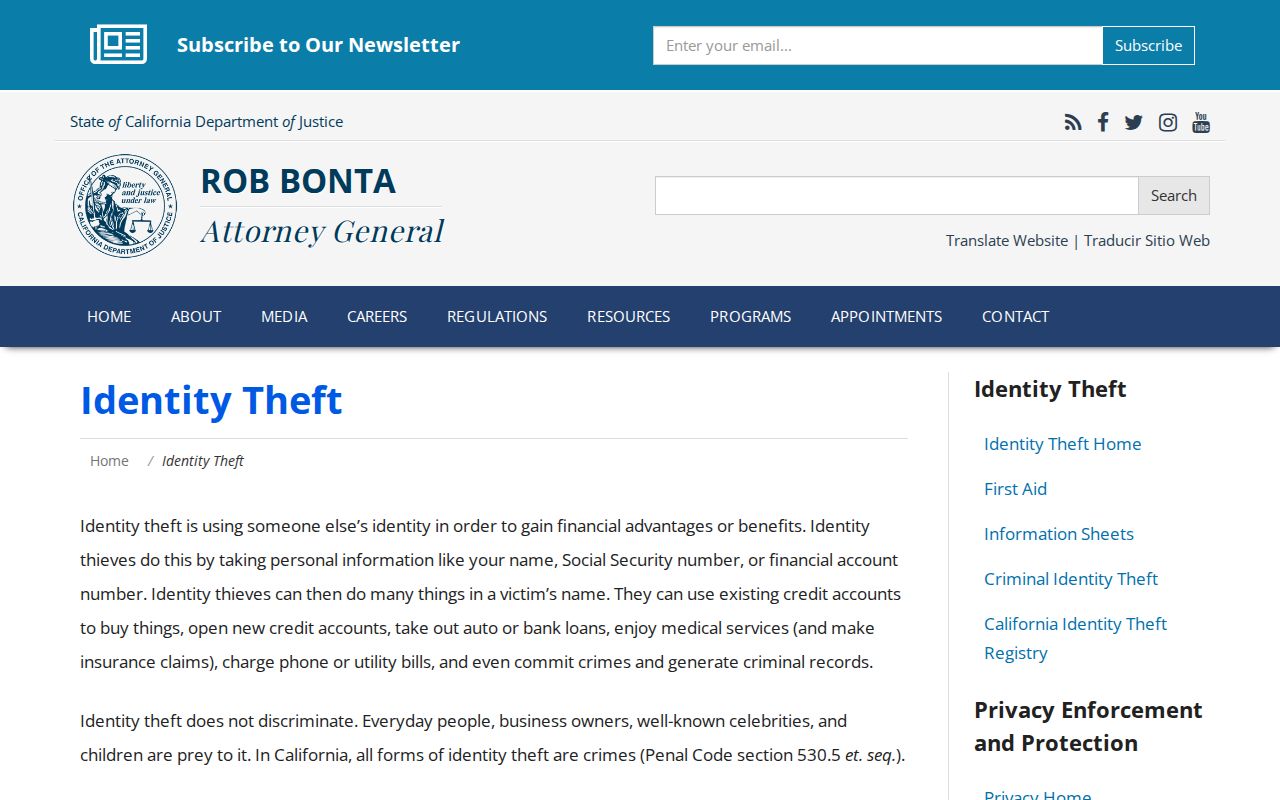
The identity-theft capture supports source verification and careful handling of block clues.
California's privacy-tool announcement describes the state data-broker route.
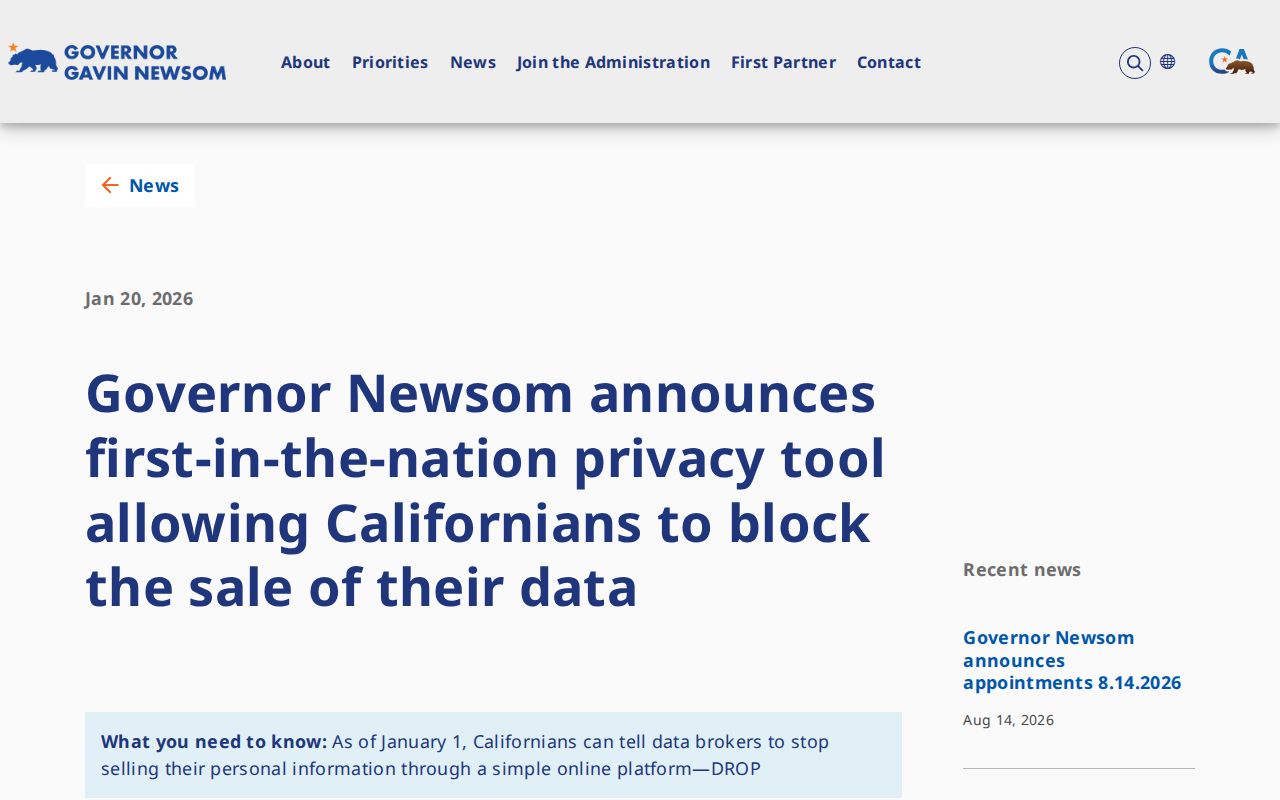
The state tool is for broker privacy rights, not a way to alter a public parcel or court record.
DROP privacy portal guidance identifies the broker-deletion channel.
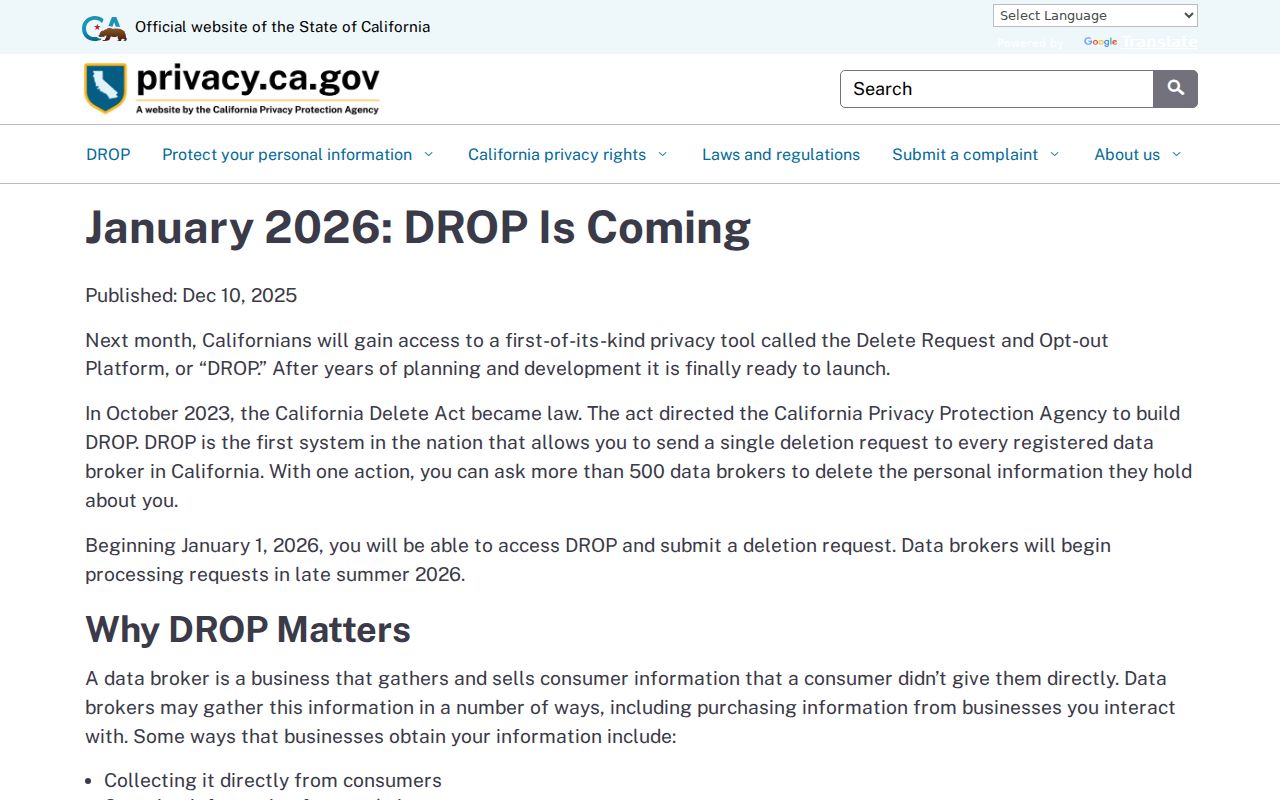
Use the broker request for the broker profile and the government custodian for the source record.
FTC fraud reporting is the formal reporting route when a neighbor-related data clue becomes a scam concern.
The comparison between an official record and a report channel helps keep a neighbor lookup within its purpose.
Lawful use. Parcel and community records in Benicia are for lawful personal research and civic understanding. Do not use a neighbor's name, address, or public affiliation to stalk, harass, intimidate, or harm that person.